Saguaro
Annual Labor Day Run in Saguaro National Park
Announcement for the 2026 Labor Day Run in Saguaro National Park!
Aug 24, 2026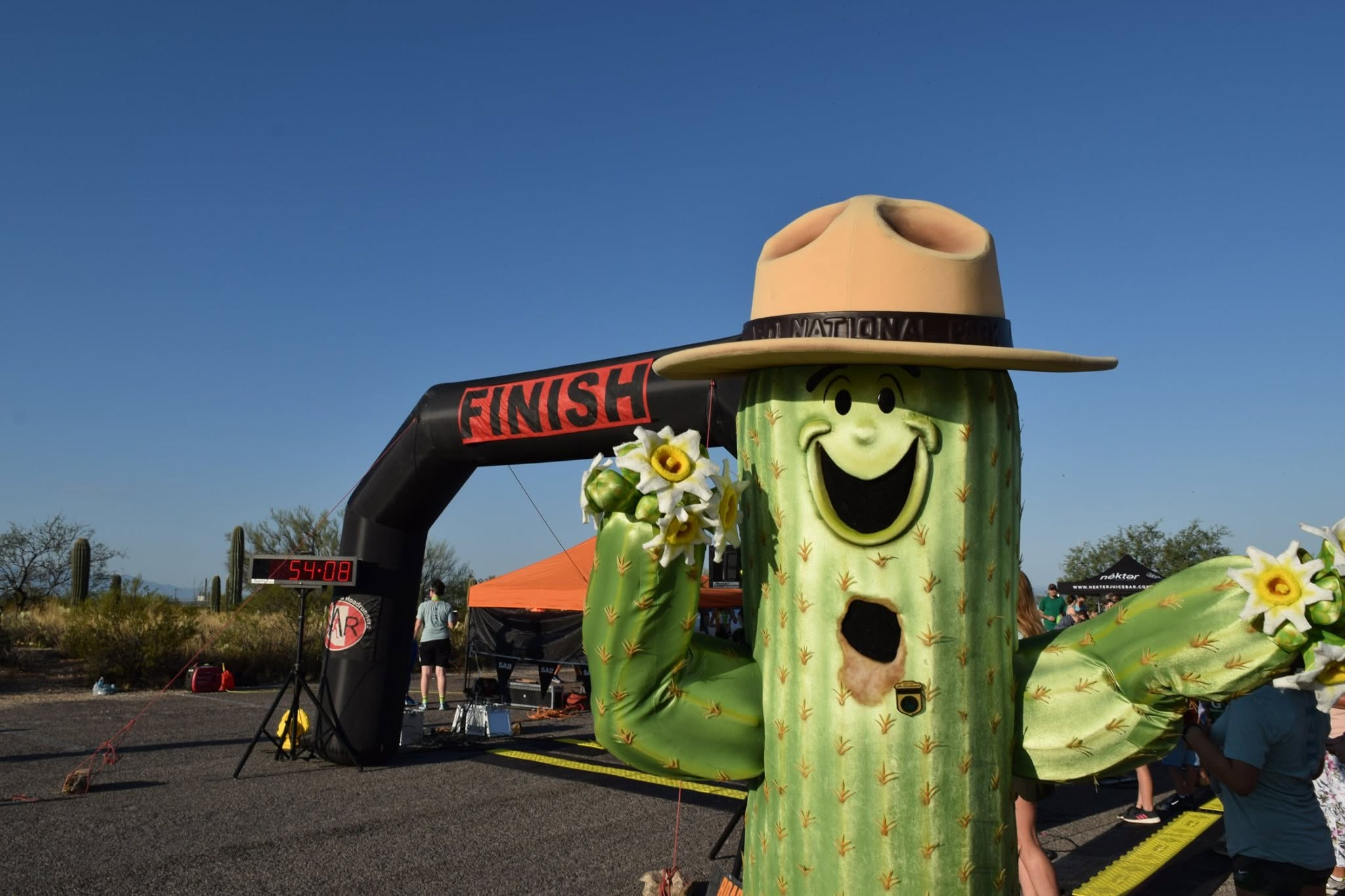
Great American Outdoors Act Funds Manning Camp Trail Restoration at Saguaro National Park
Saguaro National Park recently completed restoration work on the Manning Camp Trail, a backcountry r...
Jul 10, 2026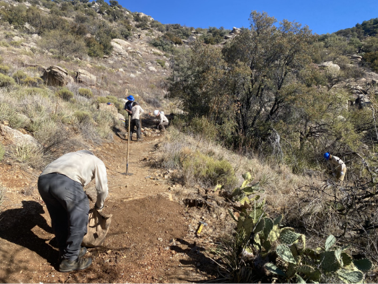
Box Fire Fully Contained
With minimal fire behavior and no growth, containment on the Box Fire in Saguaro National Park incre...
Jun 16, 2026Overview
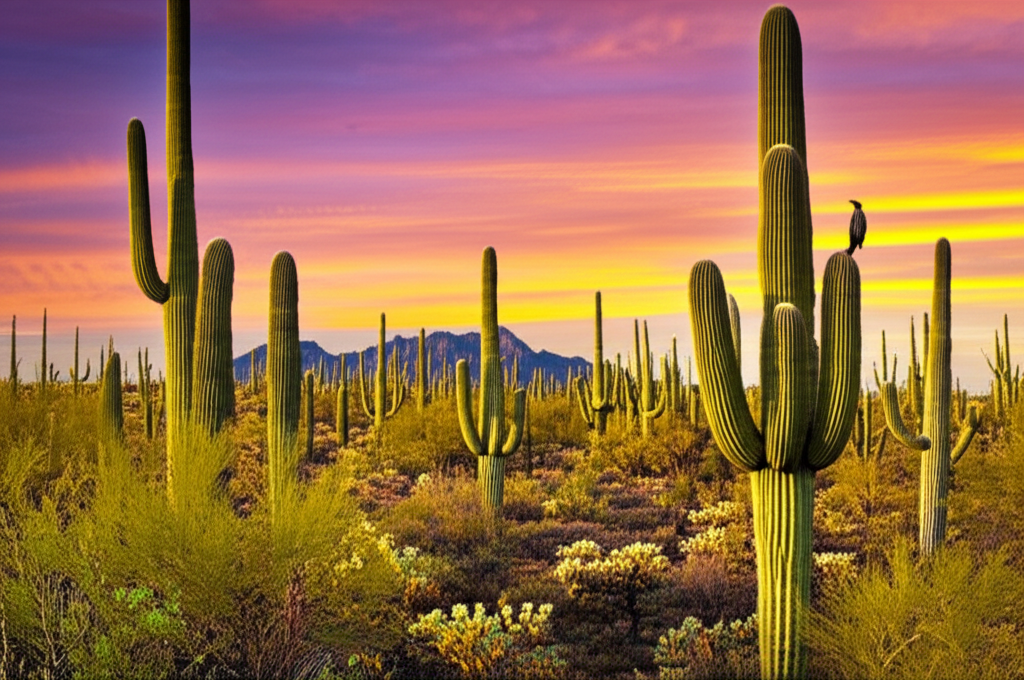
Saguaro National Park flanks both sides of Tucson, Arizona, protecting the densest stands of the iconic saguaro cactus — the towering, arm-raising symbol of the American Southwest. These remarkable plants can grow over 40 feet tall, live over 150 years, and don't sprout their first arm until they're roughly 75 years old. A mature saguaro can weigh over 4,000 pounds, most of it water stored during the summer monsoons, and a single plant can produce 40 million seeds in its lifetime. The park's Tucson Mountain District (west) and Rincon Mountain District (east) offer different experiences. The west side features the densest saguaro forest, best seen on the Bajada Loop Drive and the Valley View Overlook Trail at sunset, when thousands of silhouetted saguaros stand against an orange sky. The east side climbs from the desert floor to 8,666-foot Mica Mountain, passing through five distinct life zones — an ascent that ecologically mimics traveling from Mexico to Canada. In May and June, the saguaro's waxy white flowers bloom at the tips of each arm, opening at night to attract lesser long-nosed bats and closing by midday. This brief flowering season, along with the vivid green flush of new growth after summer monsoon rains, makes the living desert feel far more dynamic than visitors expect.
Things to Do
- Drive the Bajada Loop in the Tucson Mountain District
- Hike the Valley View Overlook Trail at sunset
- Walk the Freeman Homestead Nature Trail among giant saguaros
- Hike to Tanque Verde Ridge for panoramic views (east district)
- Photograph saguaro silhouettes at sunset
- Watch for Gila woodpeckers nesting in saguaro holes
- Bike the Cactus Forest Loop Drive (east district)
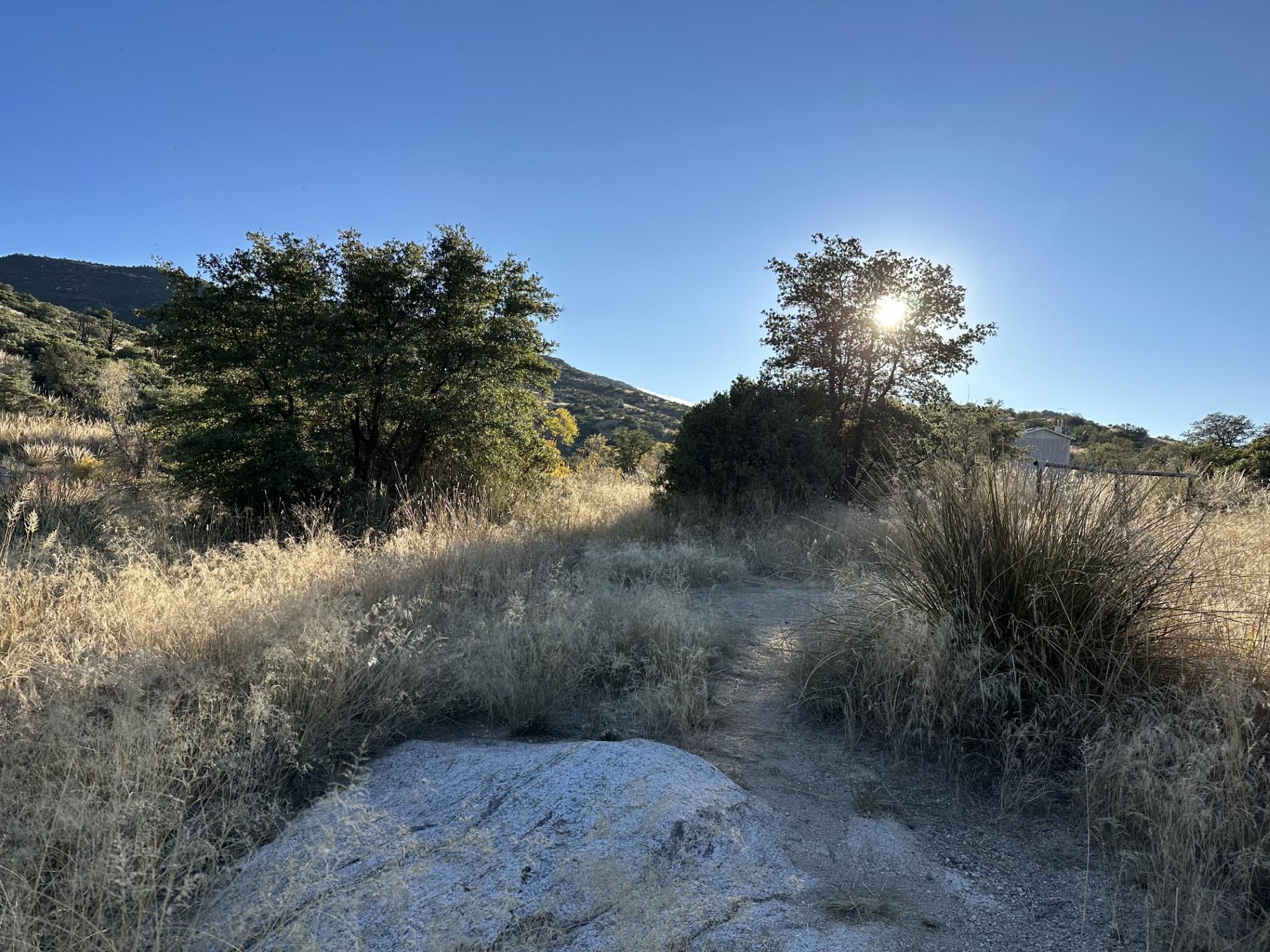
Douglas Spring
Sites available
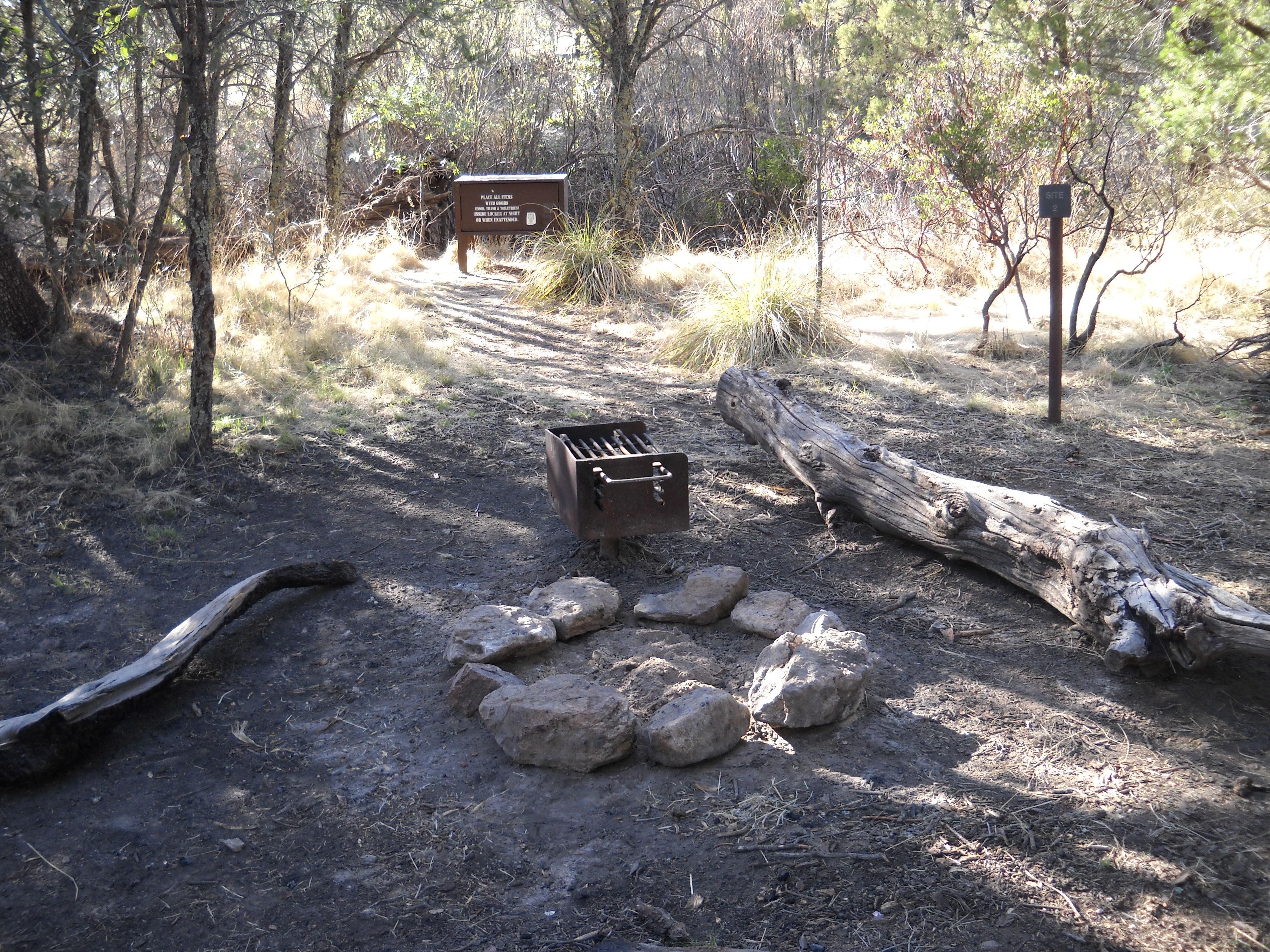
Juniper Basin
Sites available
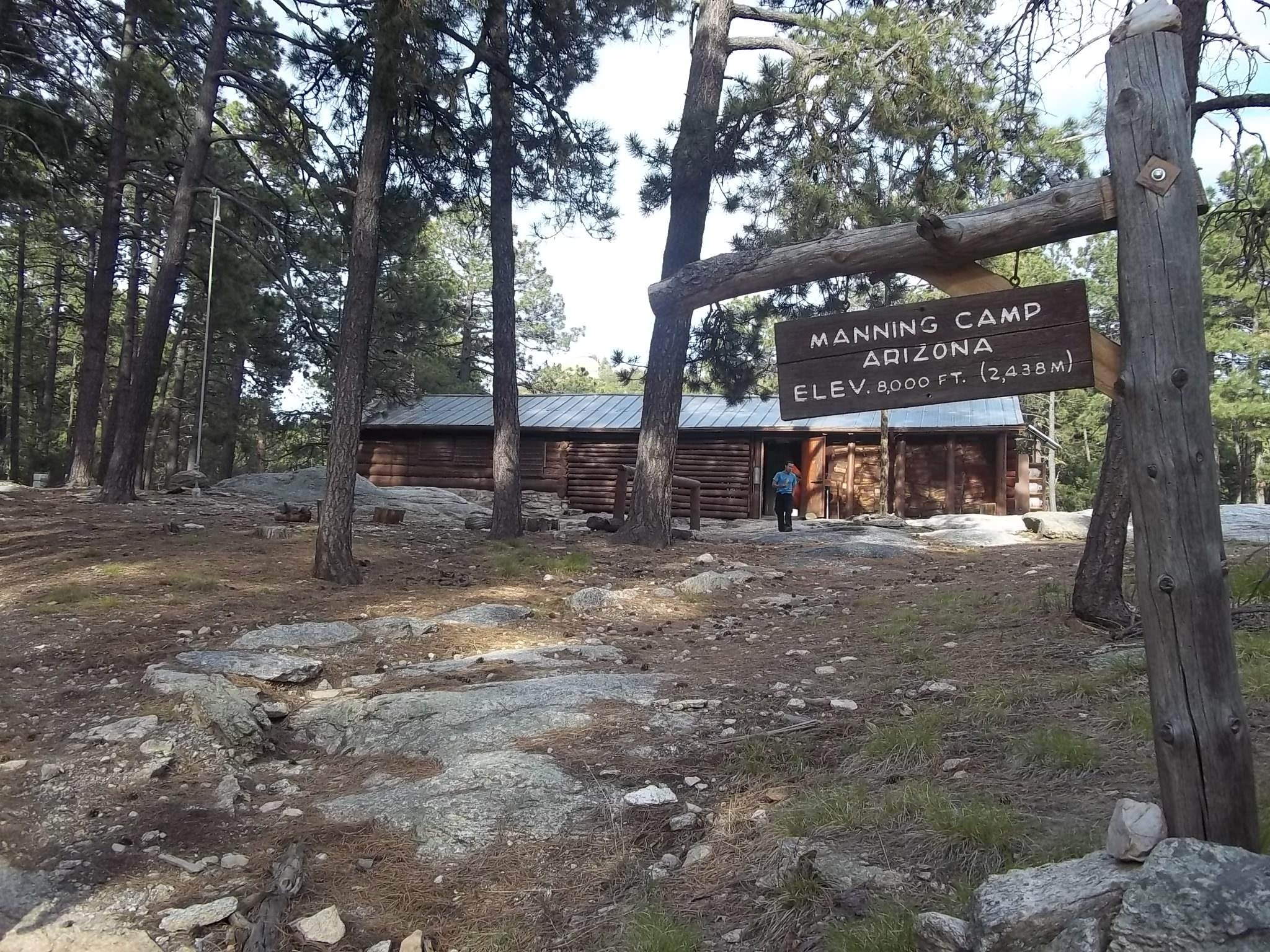
Manning Camp
Sites available
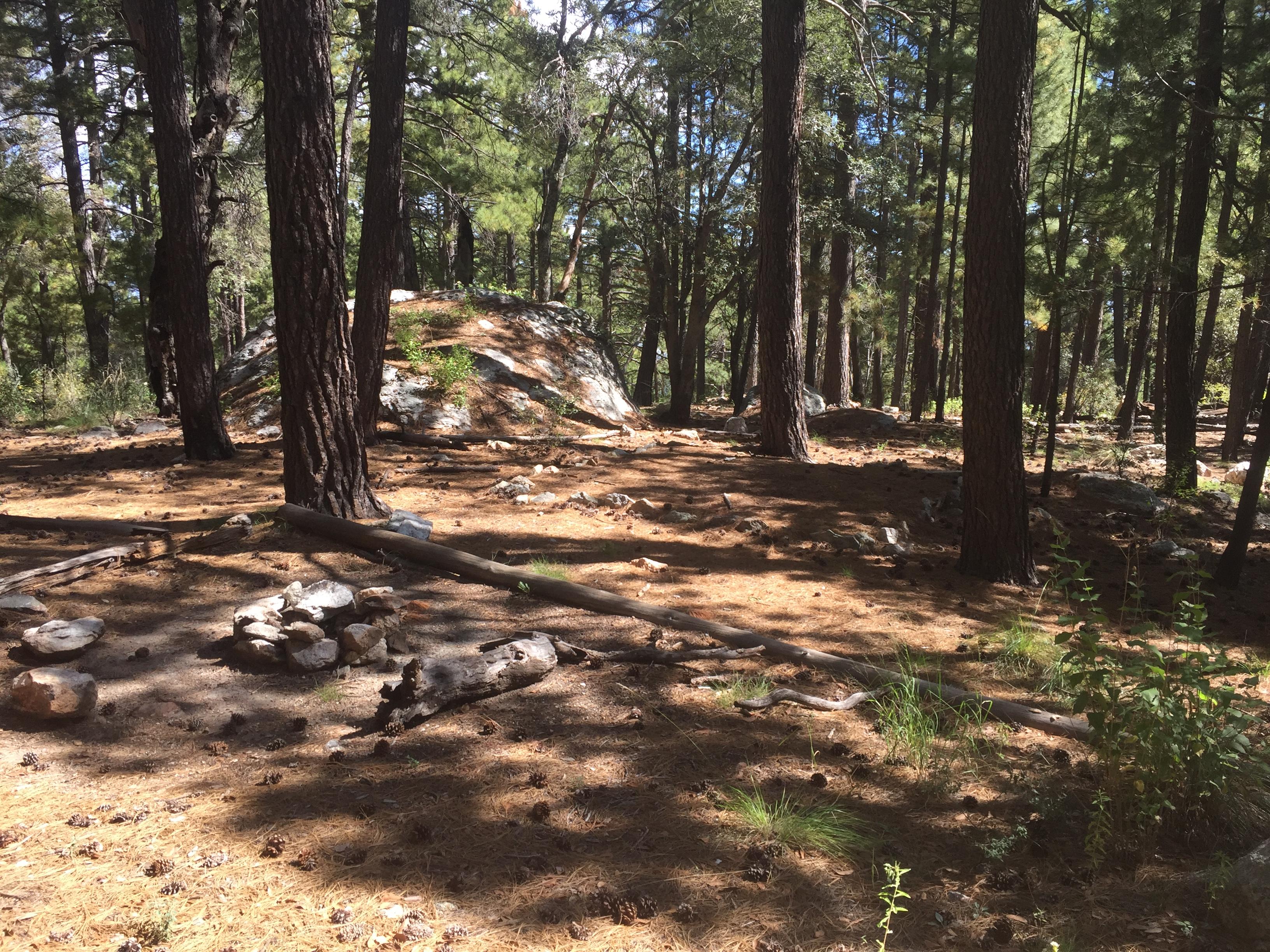
Spud Rock Spring
Sites available
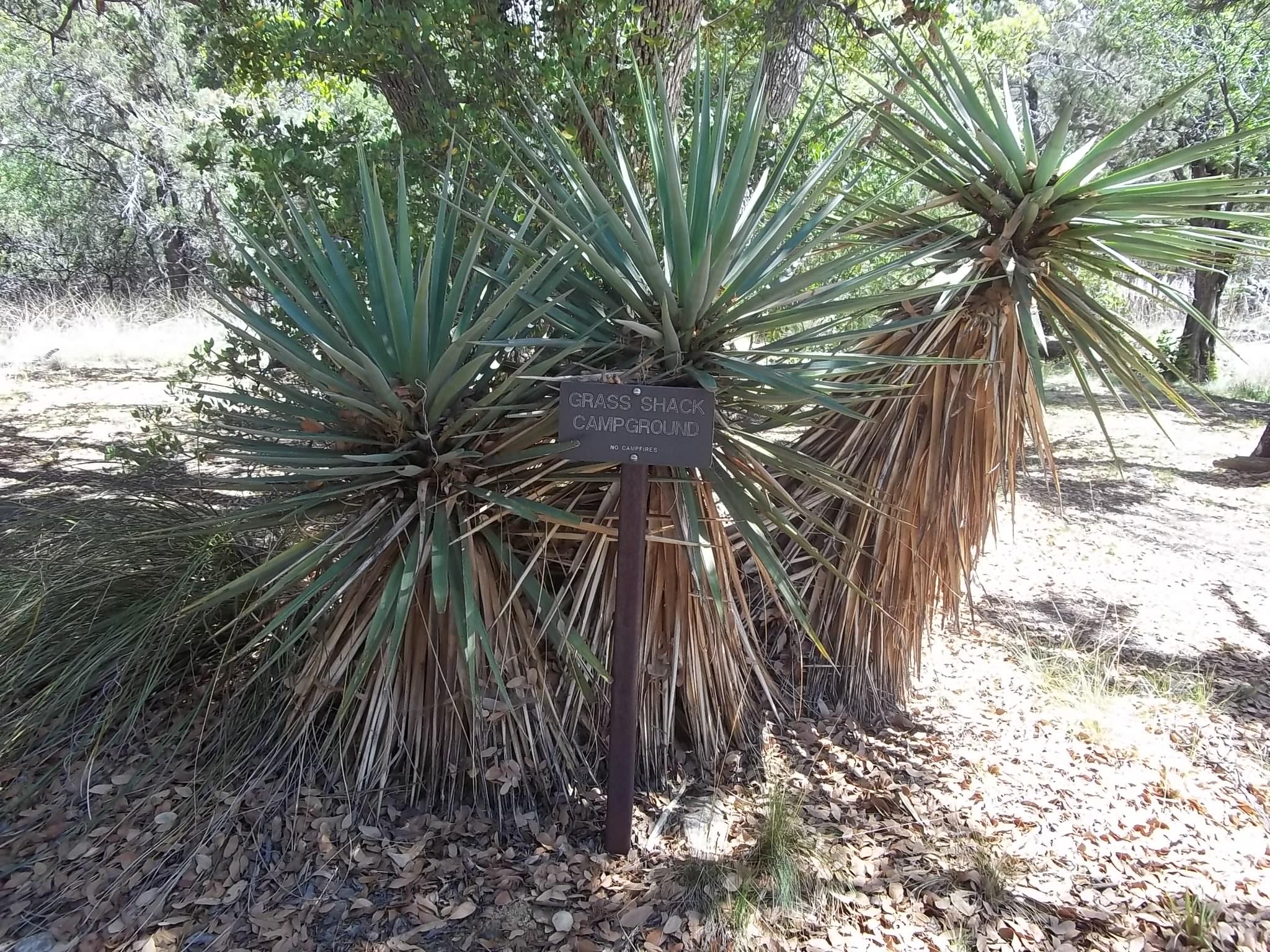
Grass Shack
Sites available
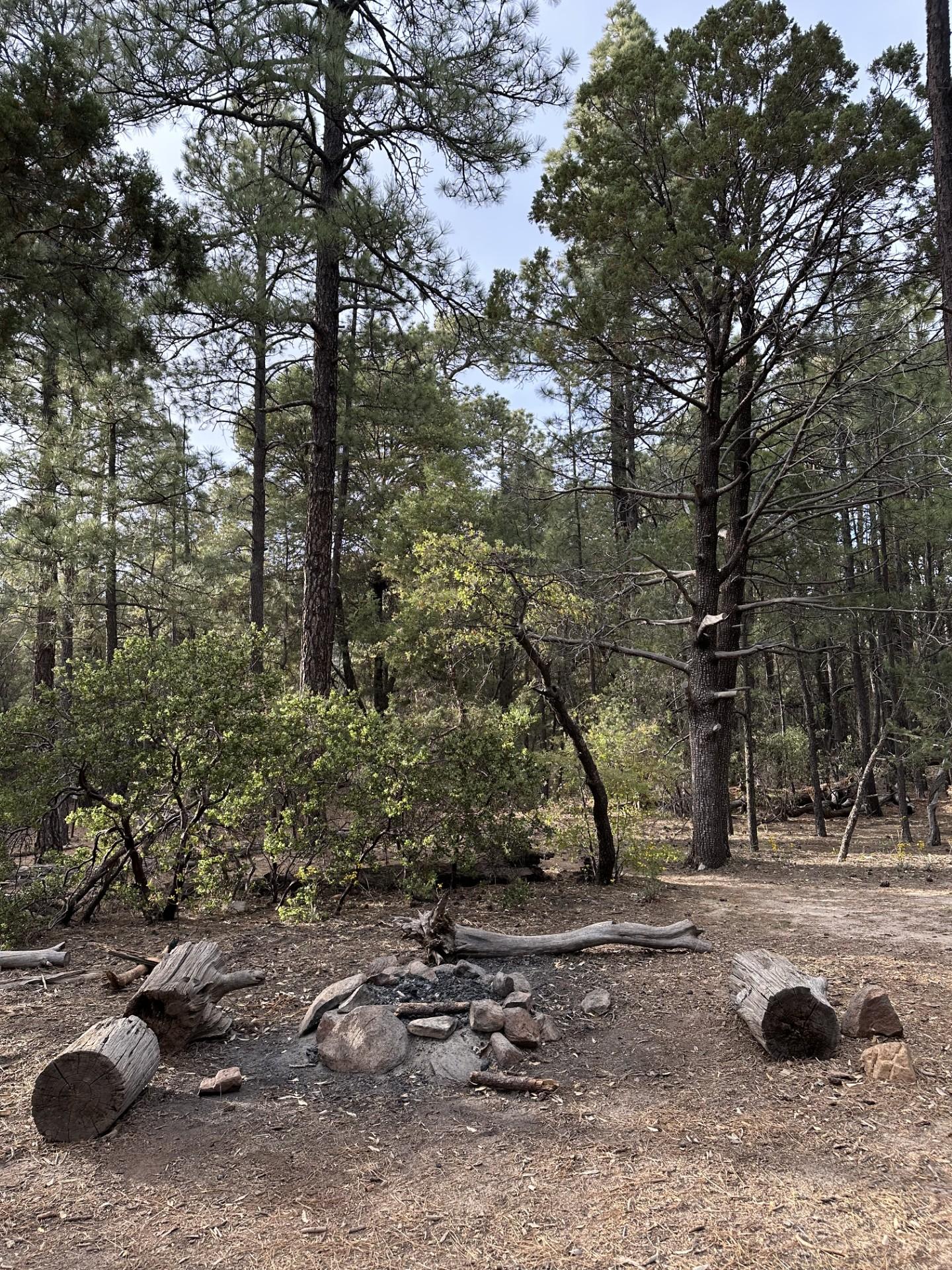
Happy Valley Saddle
Sites available
Wildlife
Keep an eye out for these animals during your visit:
Pro Tips
- 💡 Sunset in the west district (Tucson Mountain) with saguaro silhouettes is the park's signature experience
- 💡 Visit in May-June to see saguaro flowers blooming at the tip of each arm
- 💡 Carry plenty of water — even short hikes in the desert require at least a liter per person per hour
- 💡 The east district has more challenging hiking with elevation gain into cooler mountain forests
- 💡 Tucson makes an excellent base with restaurants, hotels, and the Arizona-Sonora Desert Museum nearby
Weather & Best Time to Visit
Hot summers with highs above 100°F. Winter is mild and pleasant with highs of 60-70°F. Summer monsoon rains (July-September) bring brief, dramatic thunderstorms and cool the desert.