
Danger:Kīlauea eruption
Details
Park Closure:Mauna Loa Road Closed at First Cattleguard
Details
Caution:Protect Yourself from Volcanic Tephra
Hawaii Volcanoes National Park

Hawaii Volcanoes

Moderate Hawaii

Overview

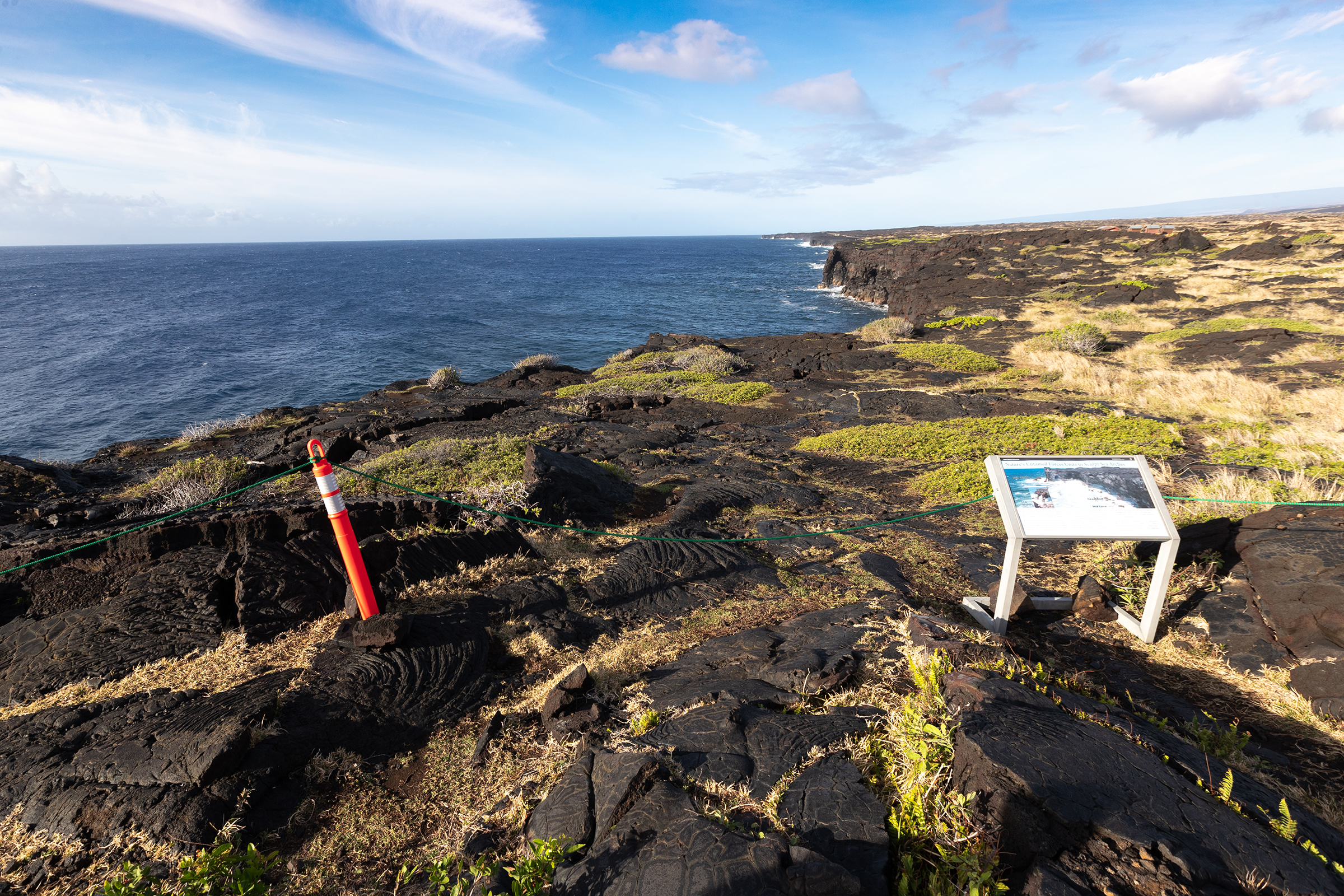
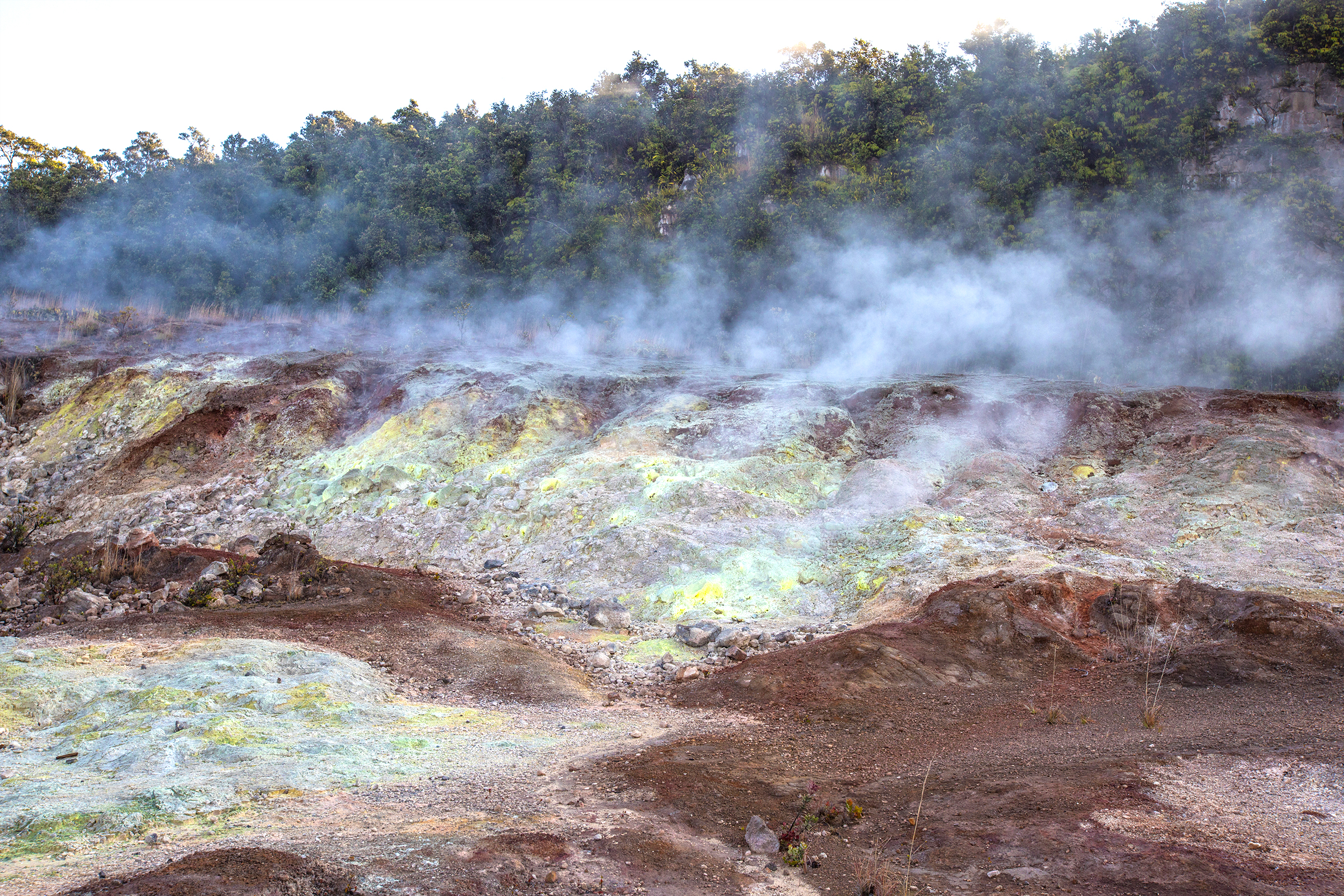
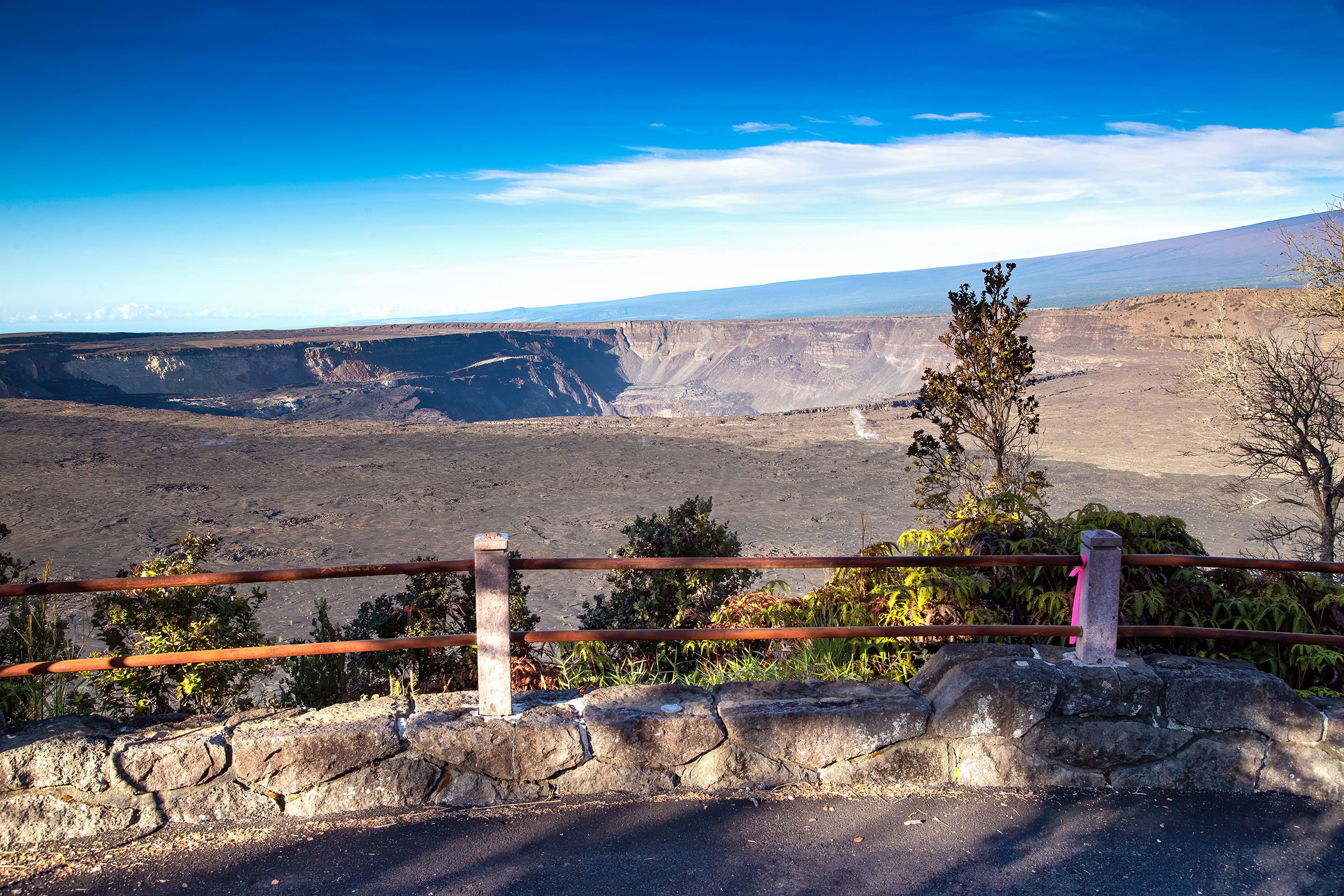
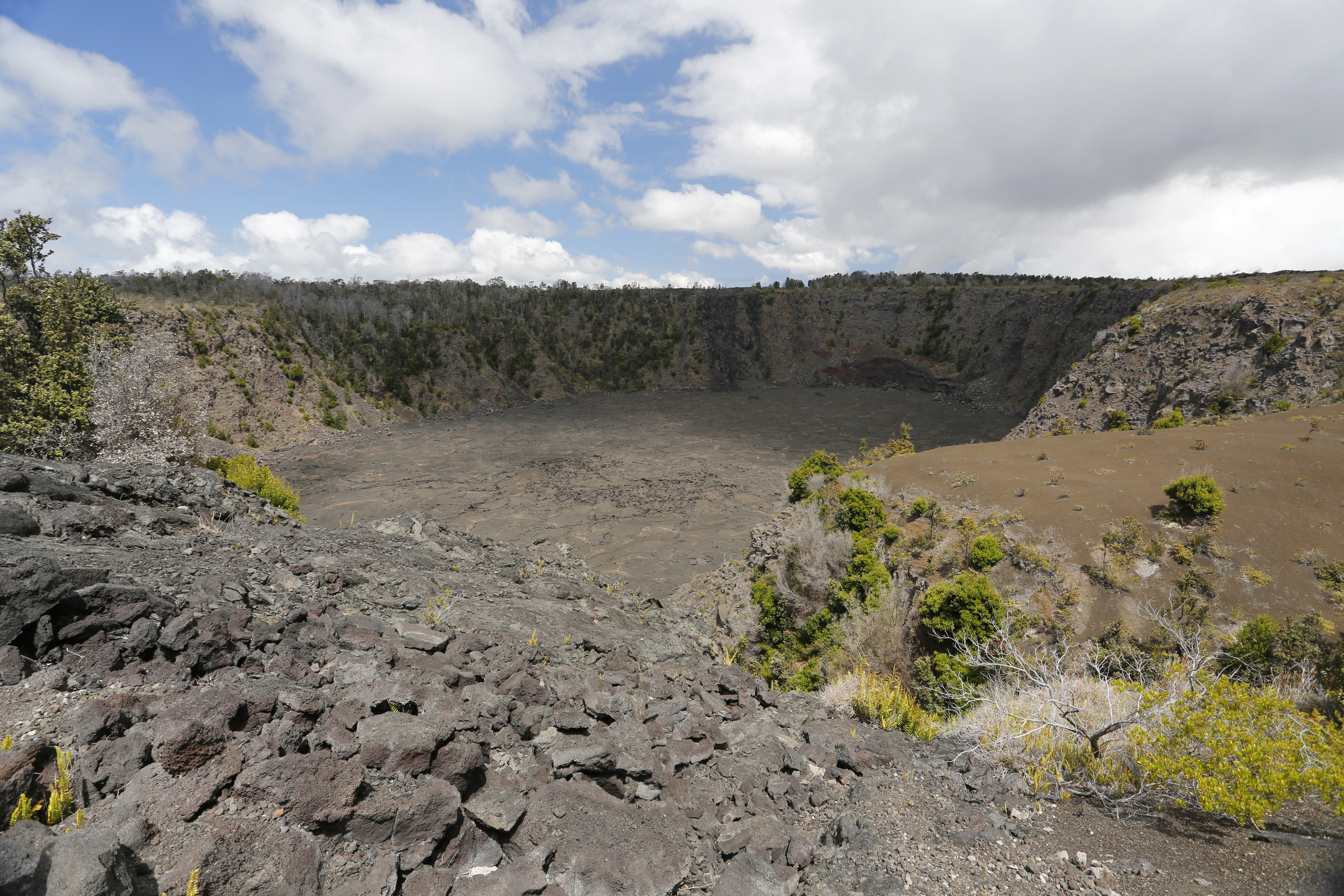
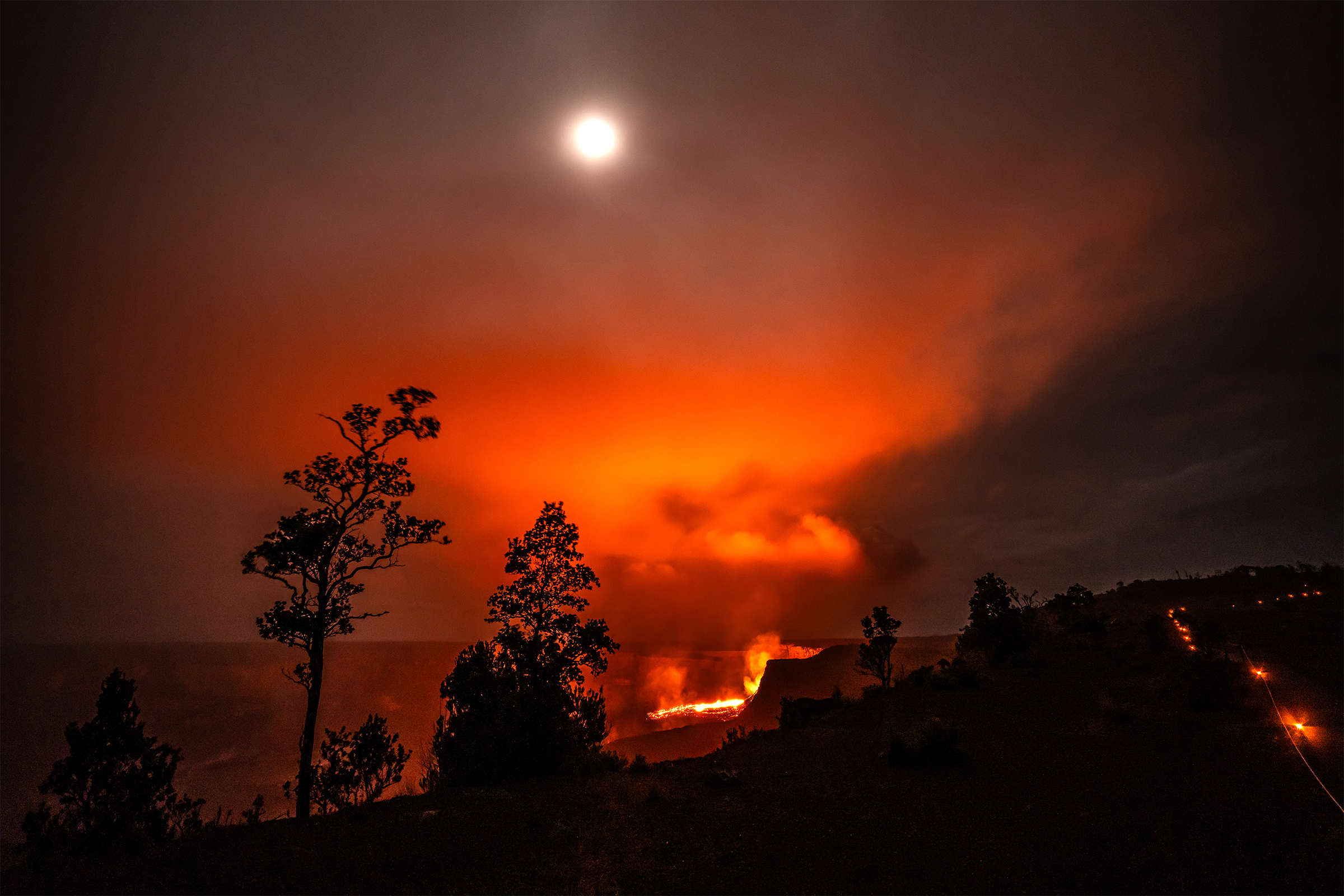
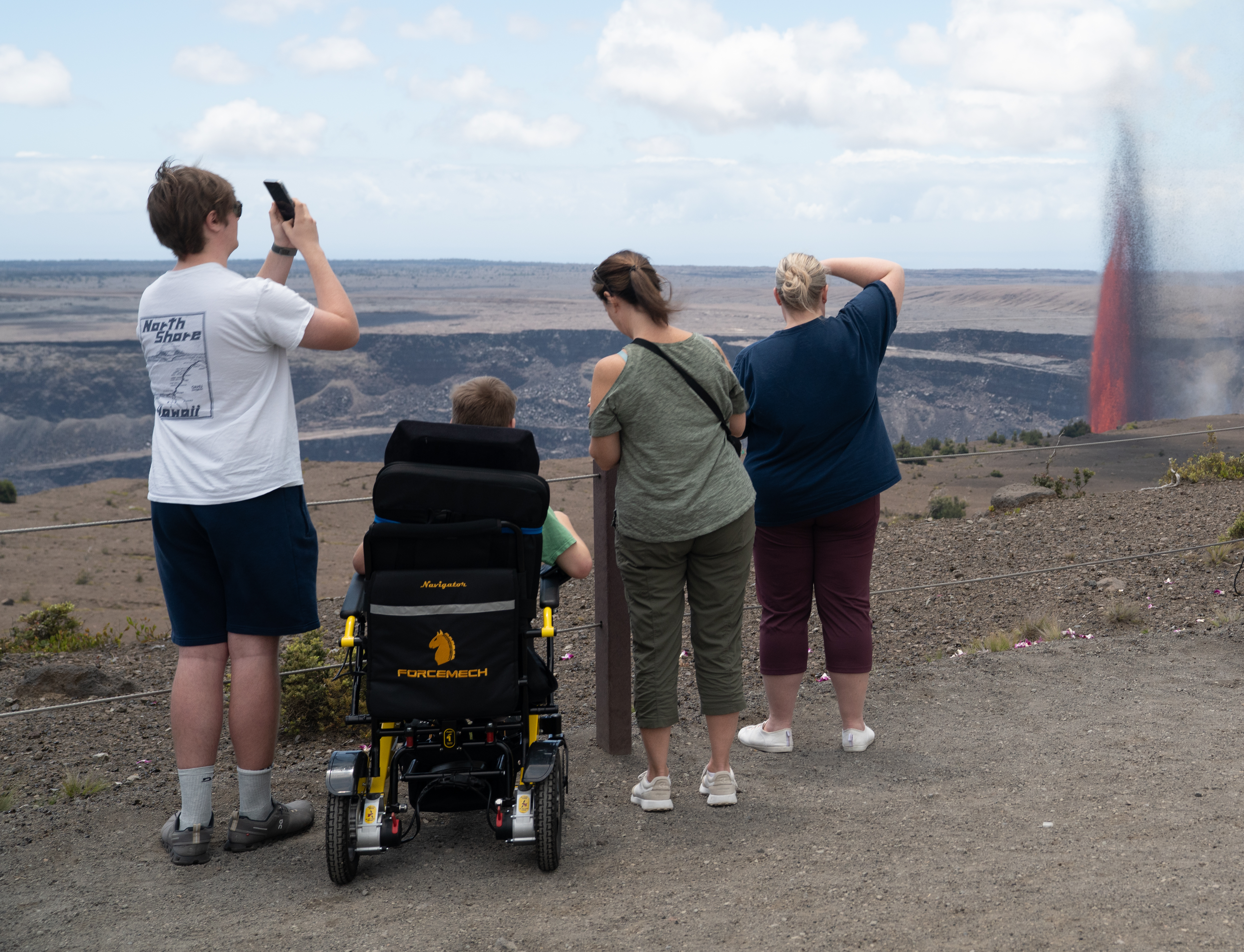
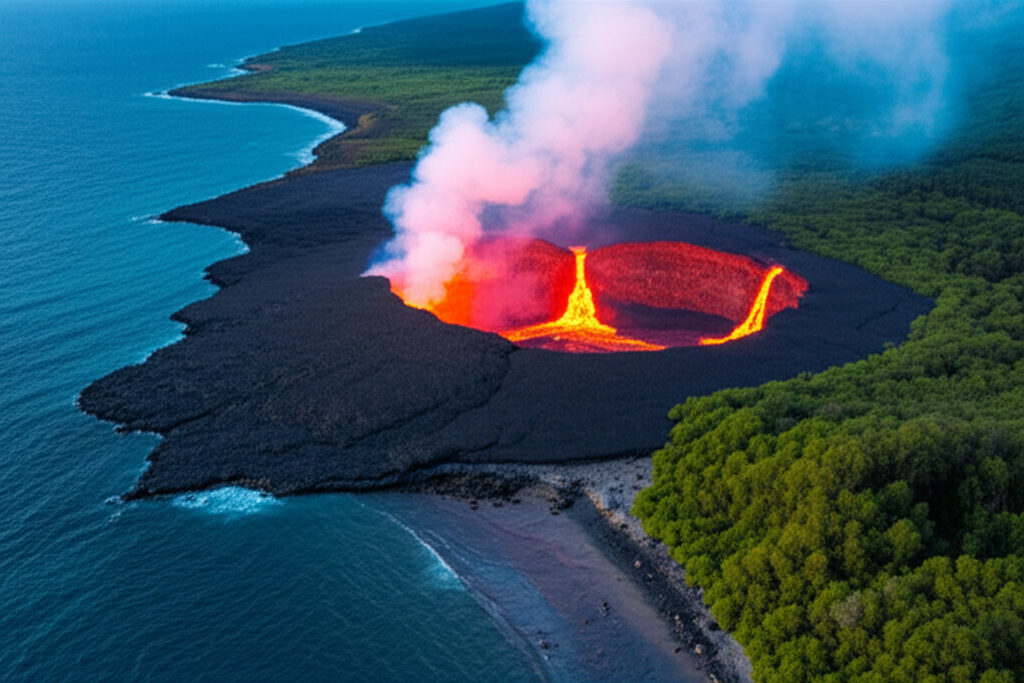
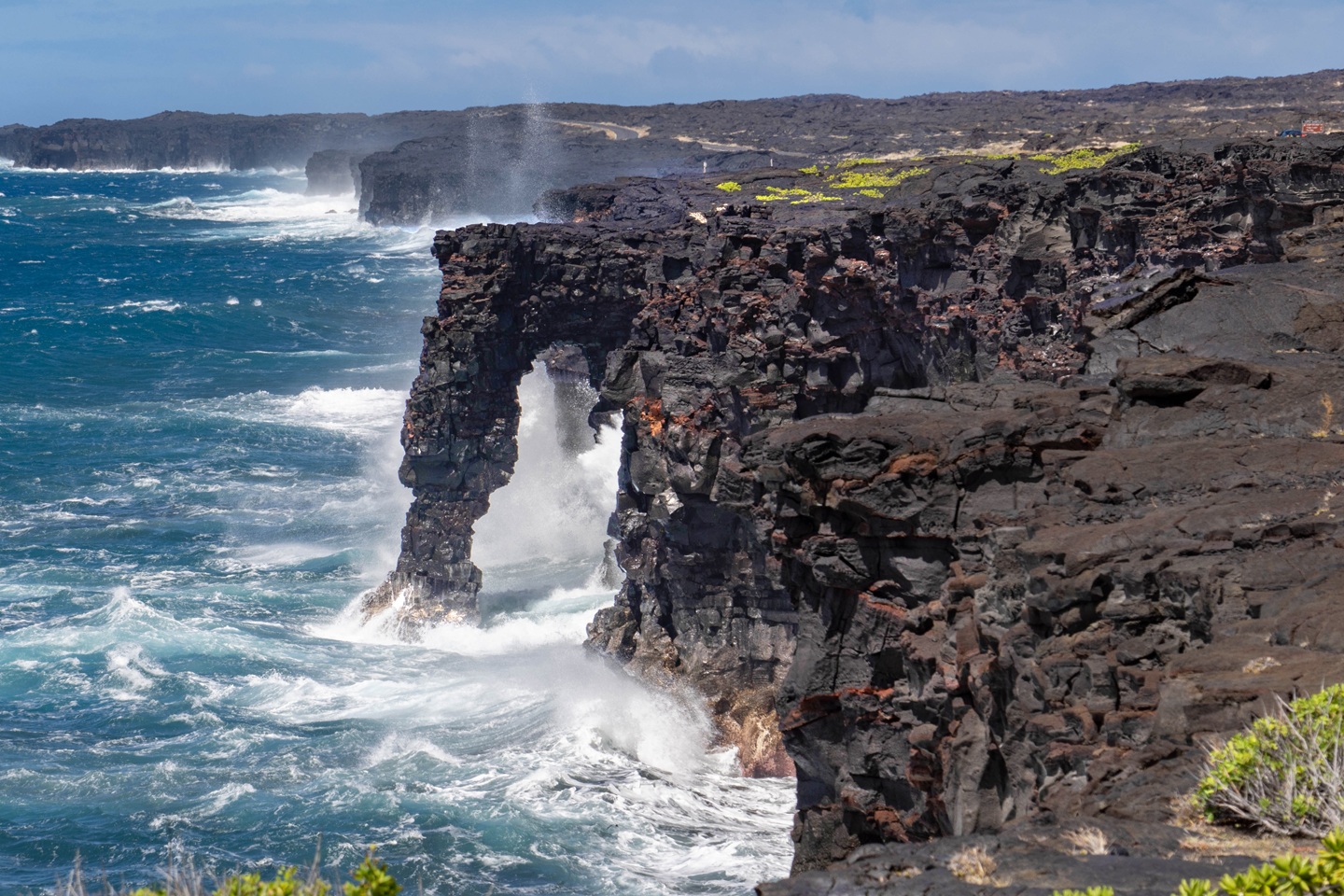
Hawaii Volcanoes National Park on the Big Island contains two of the most active volcanoes on Earth: Kilauea, which has been erupting almost continuously since 1983, and Mauna Loa, the largest active volcano in the world by volume. The park encompasses 335,000 acres from sea level to the 13,681-foot summit of Mauna Loa, spanning nine distinct ecological zones — from tropical coast to alpine desert to active volcanic vent. Kilauea's summit caldera is the park's centerpiece. The Halemaumau Crater, within the caldera, has hosted a lava lake that appears, drains, and reappears depending on eruptive activity. When active, the glow of molten lava reflects off the sulfur dioxide plume and can be seen for miles after dark. The Crater Rim Drive circles the caldera with stops at steam vents, sulfur banks, and the Thurston Lava Tube — a 600-foot-long tunnel carved by flowing lava through the rainforest. Chain of Craters Road descends 3,700 feet over 18 miles from the summit to the coast, passing dozens of craters and ending at the Holei Sea Arch, where waves crash against lava cliffs. When lava flows reach the ocean (which happens during active eruptions), the spectacle of molten rock meeting seawater in explosive steam clouds is one of the most dramatic natural events on the planet.

Things to Do

  • View the Kilauea caldera and Halemaumau Crater
  • Walk through the Thurston Lava Tube
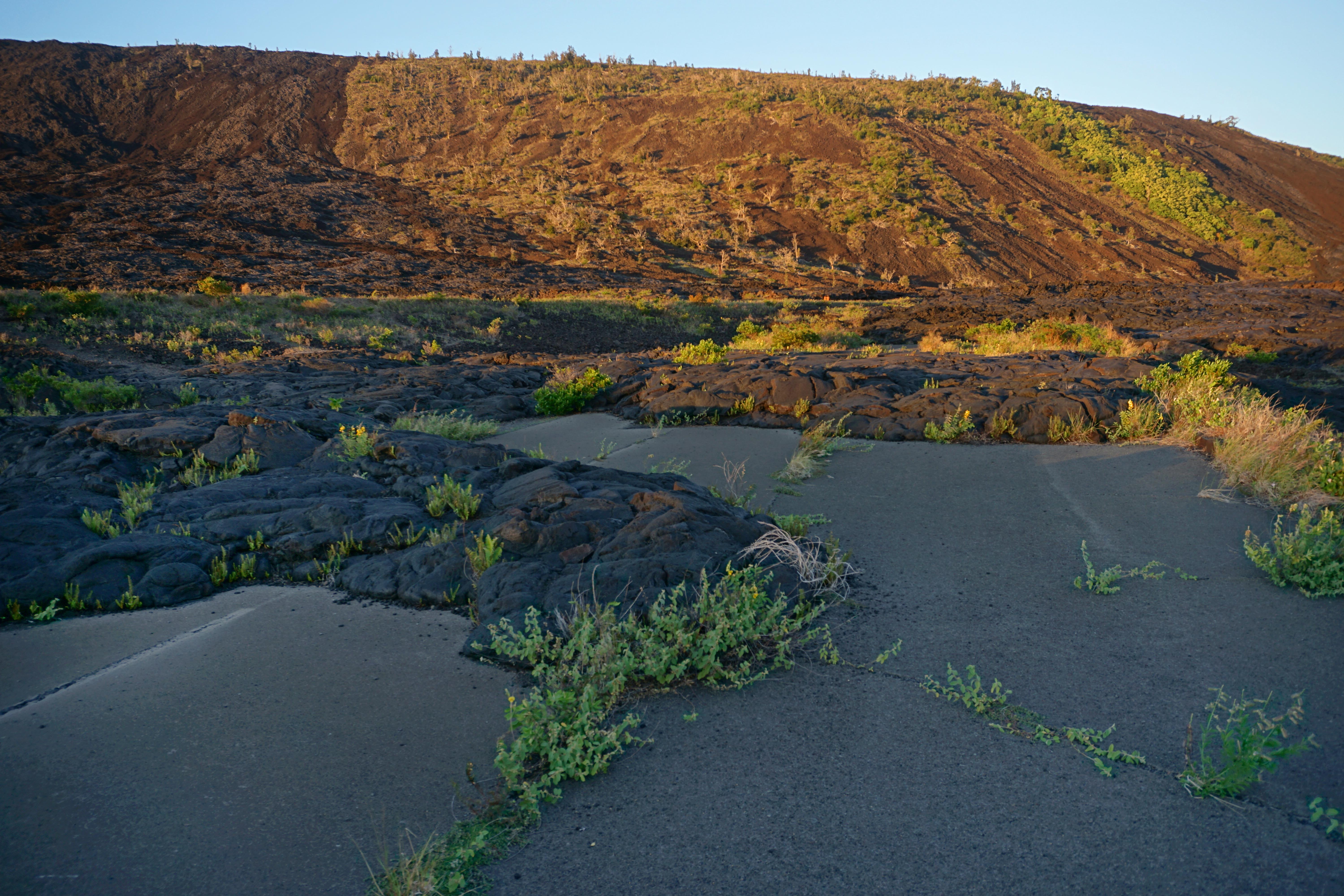
  • Drive the Chain of Craters Road to the coast
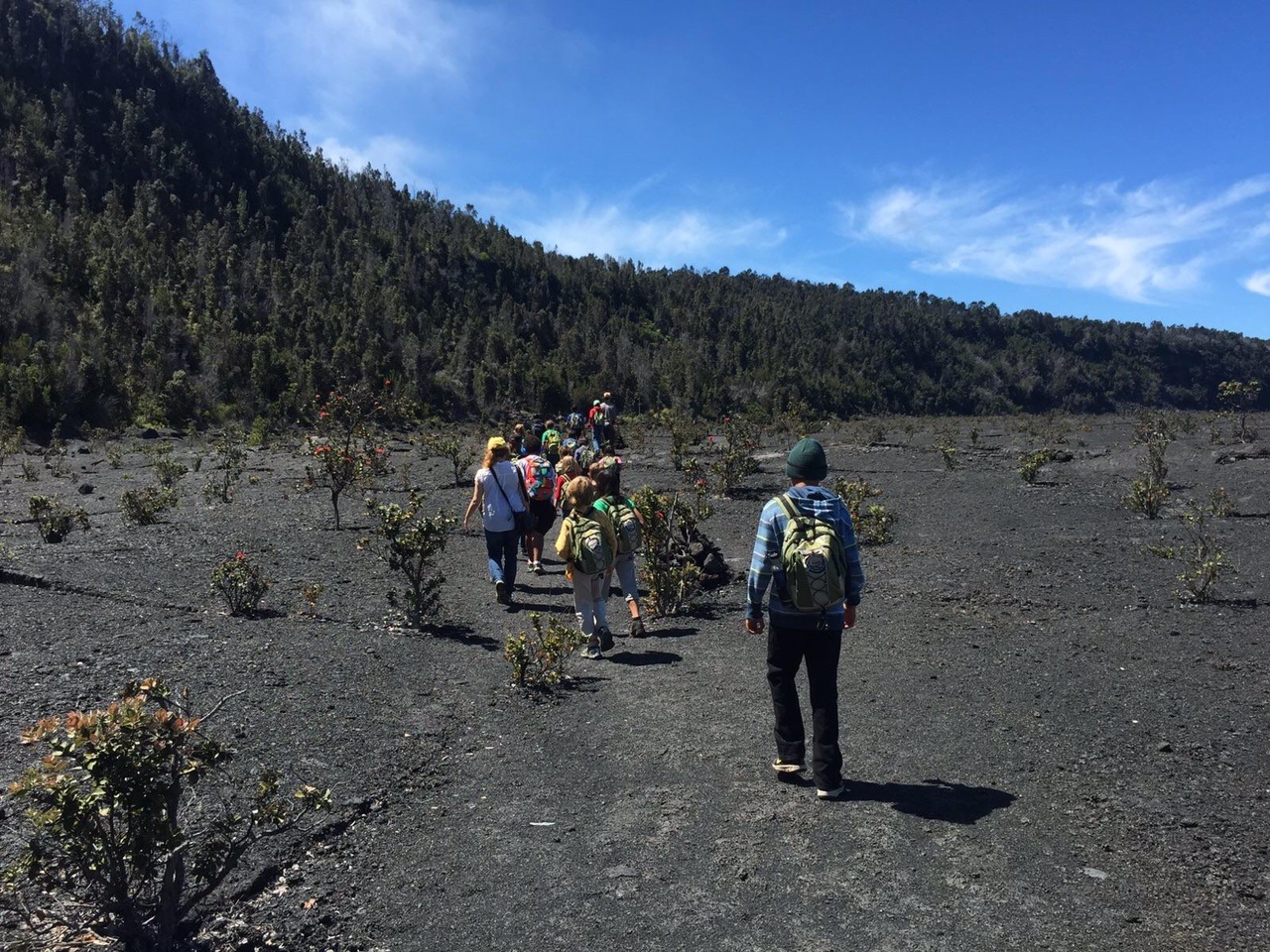
  • Hike the Kilauea Iki Trail across a solidified lava lake
  • See volcanic glow at Halemaumau after dark (during eruptions)
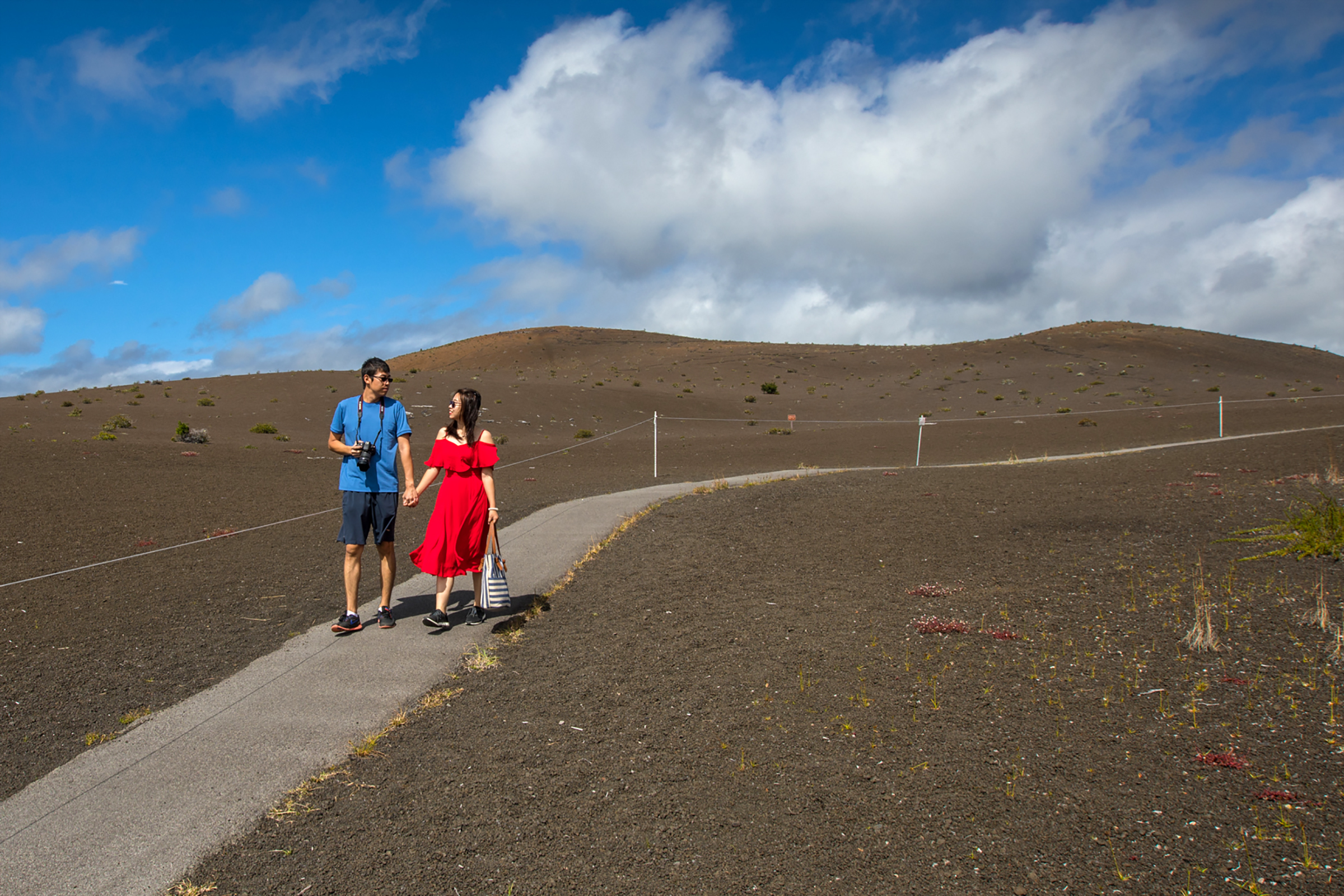
  • Hike the Devastation Trail through a cinder landscape
  • Summit Mauna Loa (expert multi-day hike)
  • Visit the Jaggar Museum overlook area
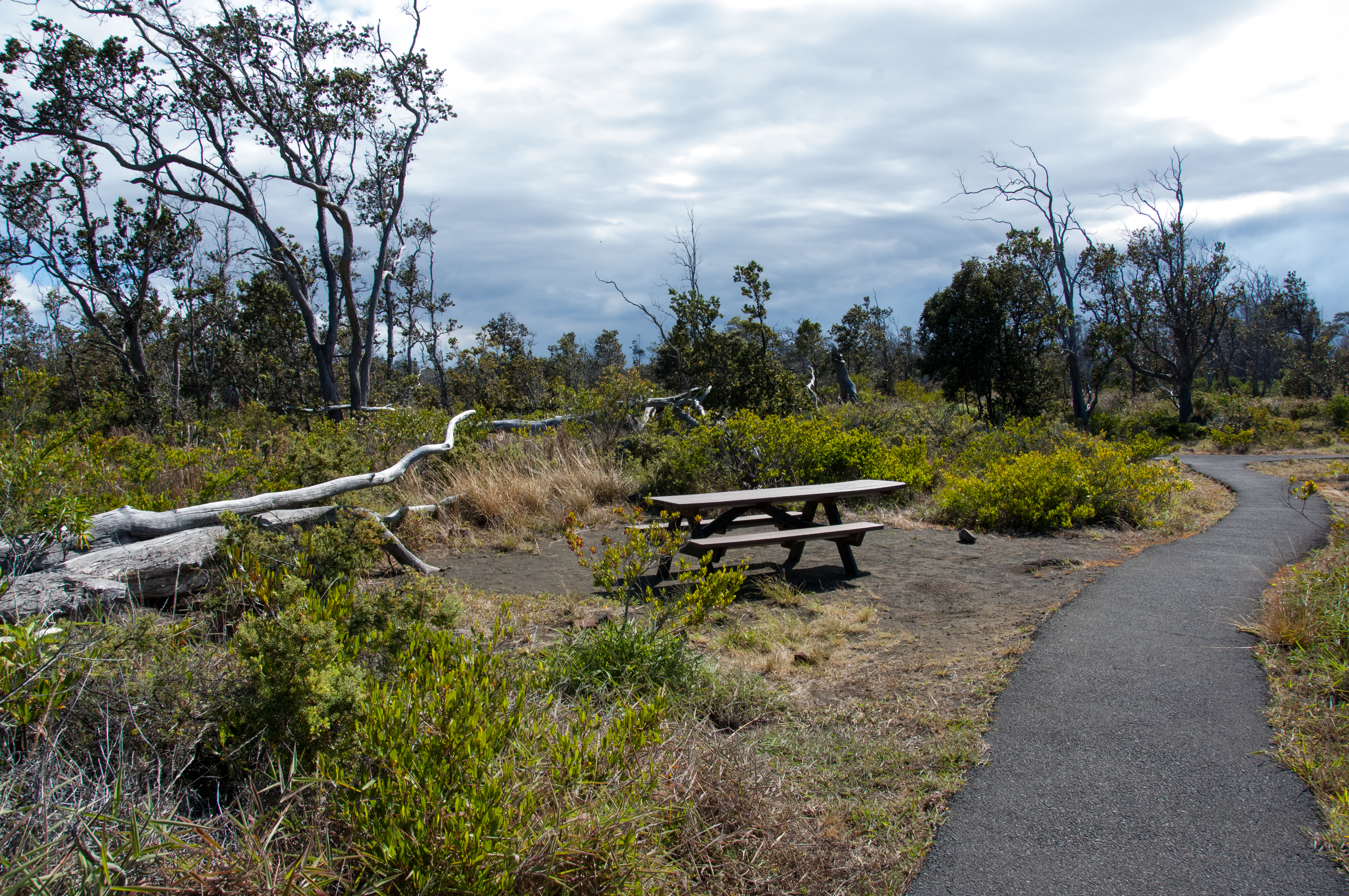
Primitive campsite

Kulanaokuaiki

Sites available

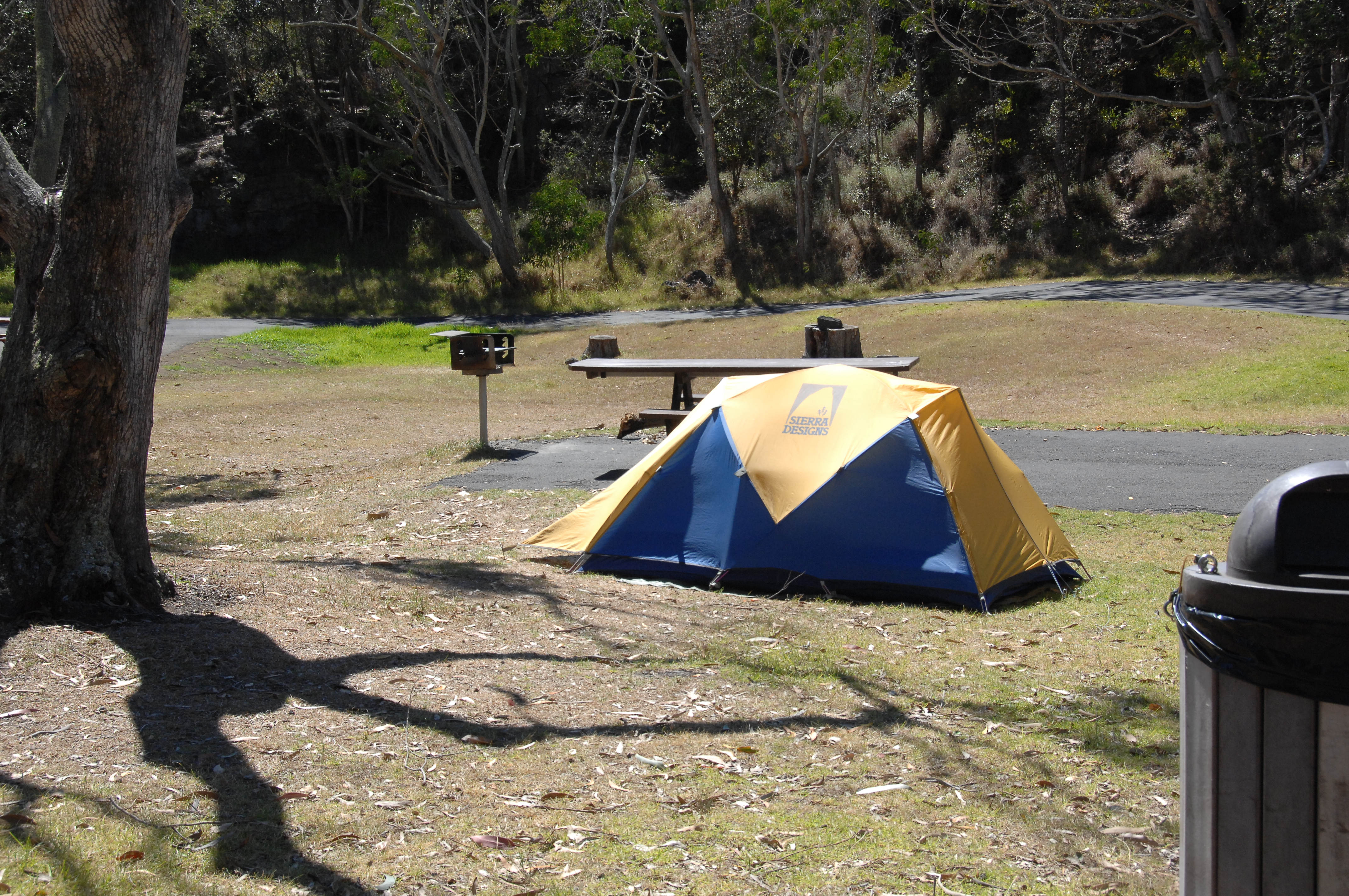
Tent camping

Nāmakanipaio

Sites available

RestroomsWater

Wildlife

Keep an eye out for these animals during your visit:

Nene (Hawaiian Goose) Hawaiian Hawk Hawaiian Hoary Bat Hawksbill Sea Turtle Hawaiian Petrel

Pro Tips

  • 💡 Check the USGS Hawaiian Volcano Observatory website for current eruption status before visiting — activity changes rapidly
  • 💡 If Kilauea is actively erupting, the lava glow is best seen after sunset from overlooks along Crater Rim Drive
  • 💡 The Kilauea Iki Trail (4 miles) crosses a crater that held a lava lake in 1959 — the surface is still warm in spots
  • 💡 Vog (volcanic fog) can be heavy and trigger respiratory issues; those with asthma should check air quality before visiting
  • 💡 Bring layers — the summit at 4,000 feet is 15-20°F cooler than the coast and can be rainy

Weather & Best Time to Visit

Tropical coast gives way to cool, rainy summit (60-70°F). Rain is frequent, especially on the windward side. Mauna Loa summit is alpine and cold. Volcanic emissions (vog) can reduce air quality.

Best seasons: Spring, Summer, Fall, Winter